Quiet Growth, Clear Intentions


After our fantastic annual Christmas lunch—full of warmth, good food, and shared celebration—the New Year has arrived, bringing with it a natural moment to pause, take stock, and look ahead to 2026.

The Garden at Rest
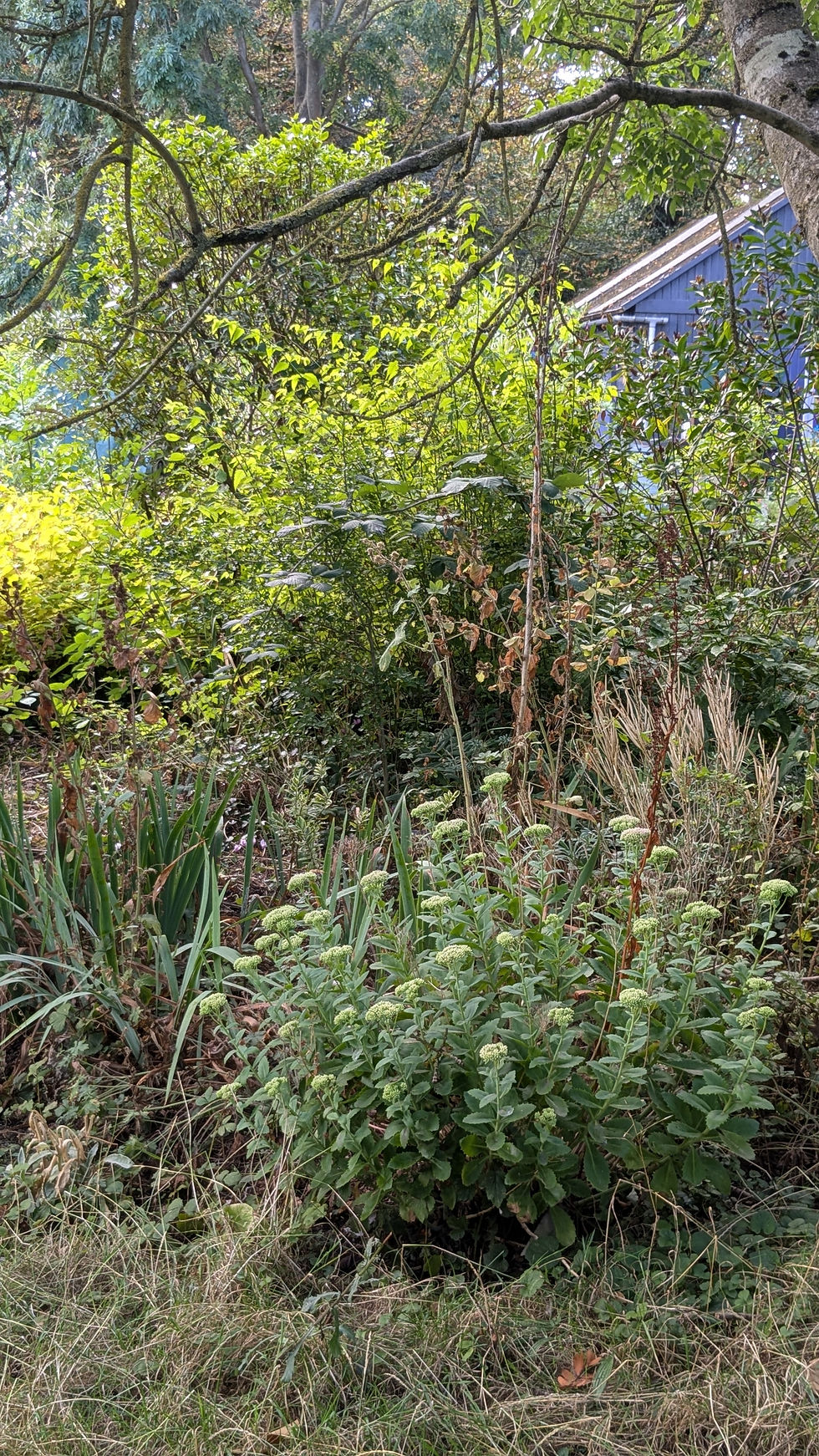
The garden now stands largely stripped back to bare branches. Evergreen holly bushes still hold on to their remaining berries, while the eucalyptus sways gently overhead. The yellow-flowering acacia provides a welcome splash of colour, echoed below by the sword-like leaves of the phormiums.
Persistent damp conditions have brought worm casts to the surface across our grassed areas, making some paths particularly wet and slippery.
Tip: Worm casts are a sign of healthy, biologically active soil. On lawns, brushing them away once dry—rather than treading them in—helps prevent compaction.

Bare Beds & Early Promise
Many of the vegetable beds lie open and expectant, their bare earth resting for now. That said, there are still splashes of life to be found: striking red chard, the last of the brassicas, and the first green spears from the bulbs planted for our cut-flower service, due to launch later this spring and summer.
Tip: Leaving beds undisturbed over winter allows frost to naturally break down soil structure, while mulch protects vital microorganisms.

Winter Signs Worth Stopping For
A closer look reveals that, despite the chill, the garden is quietly stirring. In the woodland areas, tight clumps of Arum italicum have emerged—glossy green, arrow-shaped leaves etched with white veining. Nearby, the nodding, cup-shaped, lime-green flowers of the stinking hellebore are beginning to open.
The very first primroses are flowering brightly in shades of pink, bluish-mauve, and yellow, while beneath the elegantly dangling catkins of the hazel, the vivid green tips of snowdrop shoots are pushing through.
Tip: These early flowers are an essential food source for emerging pollinators—resisting the urge to “tidy too much” supports early biodiversity.

Looking After Wildlife
At this time of year, it’s important to support birds and other wildlife by keeping feeders topped up, checking water sources regularly, and leaving seed heads, leaf litter, and fallen branches in place for food and shelter. We’ve built a number of log piles around the garden to serve this very purpose.

Winter Tree Work: Care with Purpose
We’re grateful to Joseph and the Top Branch tree surgery team, who have generously donated their time to carry out much-needed tree maintenance. Work is currently underway to pollard the large willow and remove deadwood from the foxglove tree.
Tip: Winter is ideal for structural tree work—trees are dormant, sap flow is minimal, and the overall shape is easier to assess without foliage.

Creativity in the Cabin
Over in the craft cabin, the quieter gardening months are alive with creativity. Our members are busy with a range of projects, including beautiful macramé decorations and plant pot holders, lovingly made by Tina and destined for sale at our open-day craft stall later in the year.

Looking Ahead: Seeds & Small Experiments
As we plan for the year ahead, Sara is carefully selecting vegetable seeds from the Charles Dowding No Dig range at Premier Seeds. Among the ideas being explored is a vertical-growing courgette variety—an intriguing experiment that could save space and add interest to the beds come summer.
Tip: Vertical crops improve airflow, reduce disease risk, and make harvesting far easier—especially useful in smaller growing areas.

January’s Lesson
January may appear quiet, even austere, but beneath the surface the garden is preparing itself. Roots are settling, buds are forming, and plans are taking shape. This is a month for observation, intention, and gentle stewardship—laying strong foundations for the seasons ahead.
We look forward to sharing the journey with you as the year unfolds. Happy gardening!
***

Places available in our Day Care provision
Our therapeutic community garden in Northdown Park, Margate offers adults with learning disabilities, neurodivergence and/or mental health challenges a calm, supportive place to learn, contribute and be connected to nature and others.
People can get involved in gardening, woodwork, arts & crafts, social activities, or simply enjoy being outdoors in a welcoming environment with experienced staff on hand. Our team includes an Occupational Therapist, Social & Therapeutic Horticulture Practitioner, Horticultural Tutor and SEND teachers.
Attend one day or several.
Trial days offered.
Funded through PIP, personal budgets or self-funding.
Open year round Monday - Friday 10 am – 3 pm excluding bank holidays.
If you're a family member, support worker, social prescriber or agency looking for day opportunities for someone you support, please get in touch.
We'd be very happy to show you around.
t: 07714 742456


I went through "Quiet Growth, Clear Intentions" just now, and the examples made the message feel very concrete. A detail that stayed with me: The Garden Gate Project Quiet Growth, Clear Intentions gardengateproject Jan 8 3. Definitely bookmarking this one. flip text generator