A Garden in Full Summer Flow


July has arrived in a blaze of sunshine, bringing long days, vibrant borders, and the challenge of keeping our gardens thriving through increasingly frequent periods of hot weather. Here at the Garden Gate, summer is in full swing, with our cut flower orders coming in thick and fast, vegetables racing ahead in the growing plots, and preparations underway for our annual Music Day Fundraiser.
Watering Wisely in a Hotter Climate
With the climate changing and temperatures regularly reaching 30°C and beyond and a hosepipe ban coming into force, effective watering has become one of our most important challenges and skills. We’ve been learning as we go as usual, but the good news is that a few simple adjustments can make a huge difference to plant health while helping conserve precious water.

The golden rule is to water the roots, not the leaves and flowers. Plants absorb moisture through their root systems, so directing water at the base of the plant ensures it reaches where it's needed most. Watering leaves during the heat of the day is often ineffective, as much of the moisture evaporates before it can benefit the plant.
Early morning remains the best time to water. Cooler temperatures allow moisture to soak into the soil before the day's heat arrives. Evening watering can also be effective, although damp foliage overnight may encourage some fungal diseases.
Container-grown plants need particular attention. If a pot has become completely dry, water may simply run straight through without rehydrating the compost. In these cases, immerse the entire pot in a bucket or tray of water until air bubbles stop rising to the surface. This ensures the root ball becomes fully saturated once again.
Mulching is another valuable tool. A layer of compost, bark, leaf mould, or other organic material around plants helps retain moisture, suppress weeds, and improve soil structure. Think of mulch as nature's insulation blanket for your garden.
A Summer of Flowers
One particular highlight of this season has been the realisation and huge success of our new cut flower enterprise, launched earlier this spring.

Having conceived the project on paper, Rachel has been delighted to see it come to life and attract so many new visitors to the garden. She’s equally pleased our co-workers have played their part, whether preparing the soil, sowing seeds, potting on and planting out, making stakes, watering, or cutting, arranging and delivering the blooms.
It has been a genuinely collaborative endeavour, with everyone finding a role to contribute, take ownership of and feel proud of. Even the bees and butterflies have become part of the story, feasting and thriving among the beautifully colourful flower beds.

Our Pick Your Own flower experience offers visitors the opportunity to wander through the growing areas, select their favourite blooms, and create a truly personal bouquet. Every bunch reflects the individual tastes and creativity of the person picking it.
When creating arrangements, many florists follow the simple principle of combining a focal flower, supporting blooms, and lighter filler stems to create balance and movement. The most natural-looking displays often feature varying heights and textures rather than flowers arranged in a uniform dome.

Looking ahead, we're excited to begin planning our willow weaving workshops later in the year. Participants will have the opportunity to create beautiful woven willow obelisks that provide both structure and support for climbing plants while adding an attractive handcrafted feature to the garden.
Growing Summer Flavours
July is one of the most rewarding months for anyone growing edible crops. Tomatoes are beginning to ripen, cucumbers are producing steadily, peppers are swelling nicely in the warmth, and salad beds can provide daily harvests. Something picked in the morning and eaten the same day retains a freshness that simply cannot be replicated through storage and transport.
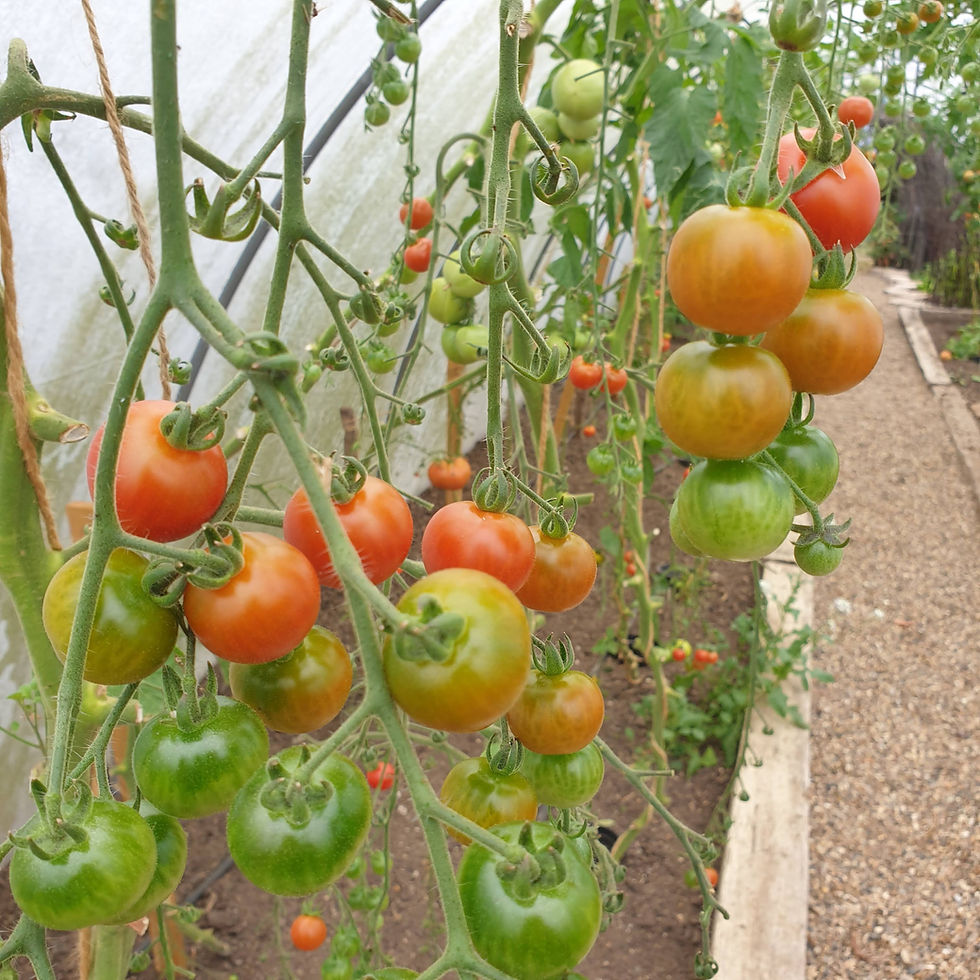
For anyone growing salad leaves, succession sowing remains the secret to continuous harvests. Rather than sowing an entire packet at once, sow small amounts every two to three weeks. This simple technique provides a steady supply of fresh leaves throughout the season instead of one overwhelming glut followed by a gap.

Perhaps the greatest lesson from growing your own food is that abundance doesn't always come from having more space. Often it comes from harvesting little and often, using crops while they're at their peak, and appreciating the remarkable flavours that fresh produce can deliver.
Looking Ahead: Music Day 2026
We're now counting down to our annual Music Day Fundraiser on Saturday 18th July. It promises to be another fantastic day of live music, refreshments and community spirit. Tickets are available online from Eventbrite, with all proceeds supporting our activities.

Summer is the perfect time to visit us and you’re always welcome. We're open weekdays from 10.00am until 3.00pm, offering a tranquil space to relax, explore, and reconnect with nature.
To order flowers, book a workshop or to find out more about the garden please visit our website: www.thegardengateproject.co.uk


Comments